More Products. More Orders. One Easy Way to Manage It All
By EasyStore Philippines · 22nd September, 2026
Table of Contents
That exciting moment when selling online is when orders start rolling in.
It means your business is growing.
As your online business grows, you may find yourself selling across more channels, from Facebook and Messenger to Shopee, TikTok Shop, and your own online store.
But as you add more products, sales channels, and orders, managing everything manually can quickly become a challenge.
The result? More time spent managing operations instead of growing your business.
So how can you keep it up? Let's look at some of the common challenges sellers face—and how you can manage them more efficiently.
More Sales Channels Mean More Inventory to Manage
Imagine you've grown from selling a few products on Facebook to having 50 products across Facebook, TikTok Shop, Shopee, and your own website.
On a busy day, orders start coming in from all four channels. One of your best-selling products has only 10 units left. A customer orders 3 units on Shopee, another buys 4 through Facebook, and 2 more are sold through your website.
That leaves you with just 1 unit.
If you're managing inventory manually, you now need to update the stock on each platform. That means checking them one by one. When you're busy processing orders, it is easy to miss an update.
One platform could still show 3 or more units available even though you only have 1 left. This can lead to overselling, cancelled or adjusted orders, unhappy customers, and more time spent fixing inventory issues.
An Easy Way To Manage It
A better approach is to manage your inventory from one central system and keep your stock levels synchronized across your connected sales channels.
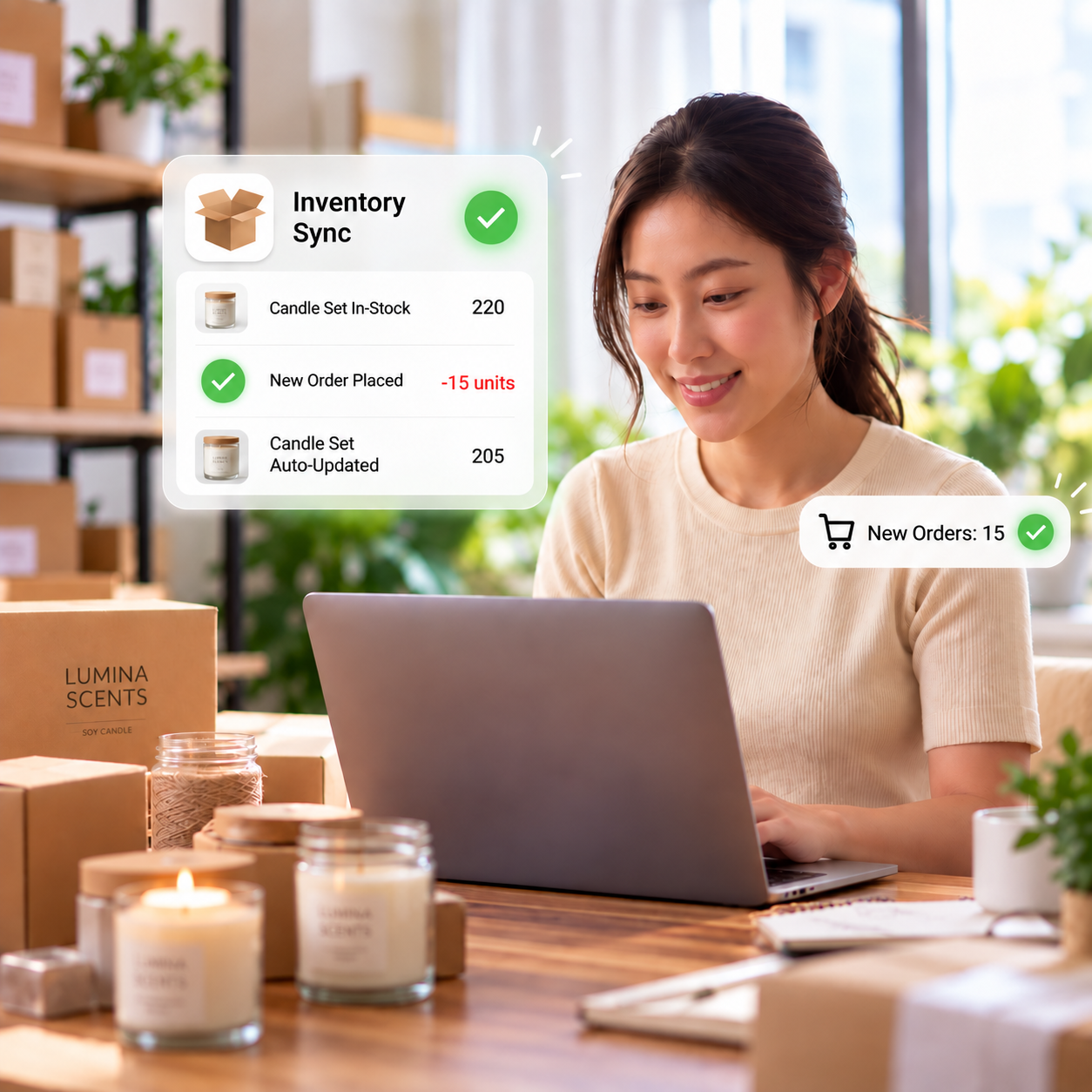
With EasyStore, you can manage your products and inventory from a single dashboard. When a product is sold through a connected channel, its stock level can be automatically updated across the others.
You can also update multiple products at once using CSV or Excel files, manage incoming stock through purchase orders, transfer inventory between stores or branches, and set low-stock alerts to help you know when it's time to restock.
Instead of constantly checking different platforms to keep your stock accurate, you can manage your inventory in one place and spend more time serving customers and growing your business.
More Orders Mean More Fulfillment Work
Keeping your inventory accurate is one challenge. But when orders start piling up, fulfilling them efficiently becomes another.
Imagine receiving 30 orders in a day from Shopee, TikTok Shop, Facebook, and online store. You need to check which orders are paid, prepare the right products, arrange shipping, generate waybills, update tracking details, and handle any changes or returns.
When each channel has its own order list, keeping track of everything can quickly become time-consuming. You may need to switch between platforms, copy customer details, or check a spreadsheet just to find out which orders are ready to be processed.
As order volume grows, so does the chance of something being missed. An order could be overlooked, a shipping detail could be entered incorrectly, or a customer might ask for an update while you're still trying to locate their order.
An Easy Way To Manage It
Instead of spending hours keeping different order records organized, you can bring your orders into a centralised order management system. This gives you a clearer view of what has been ordered, whether payment has been received, and where each order is in the fulfilment process.
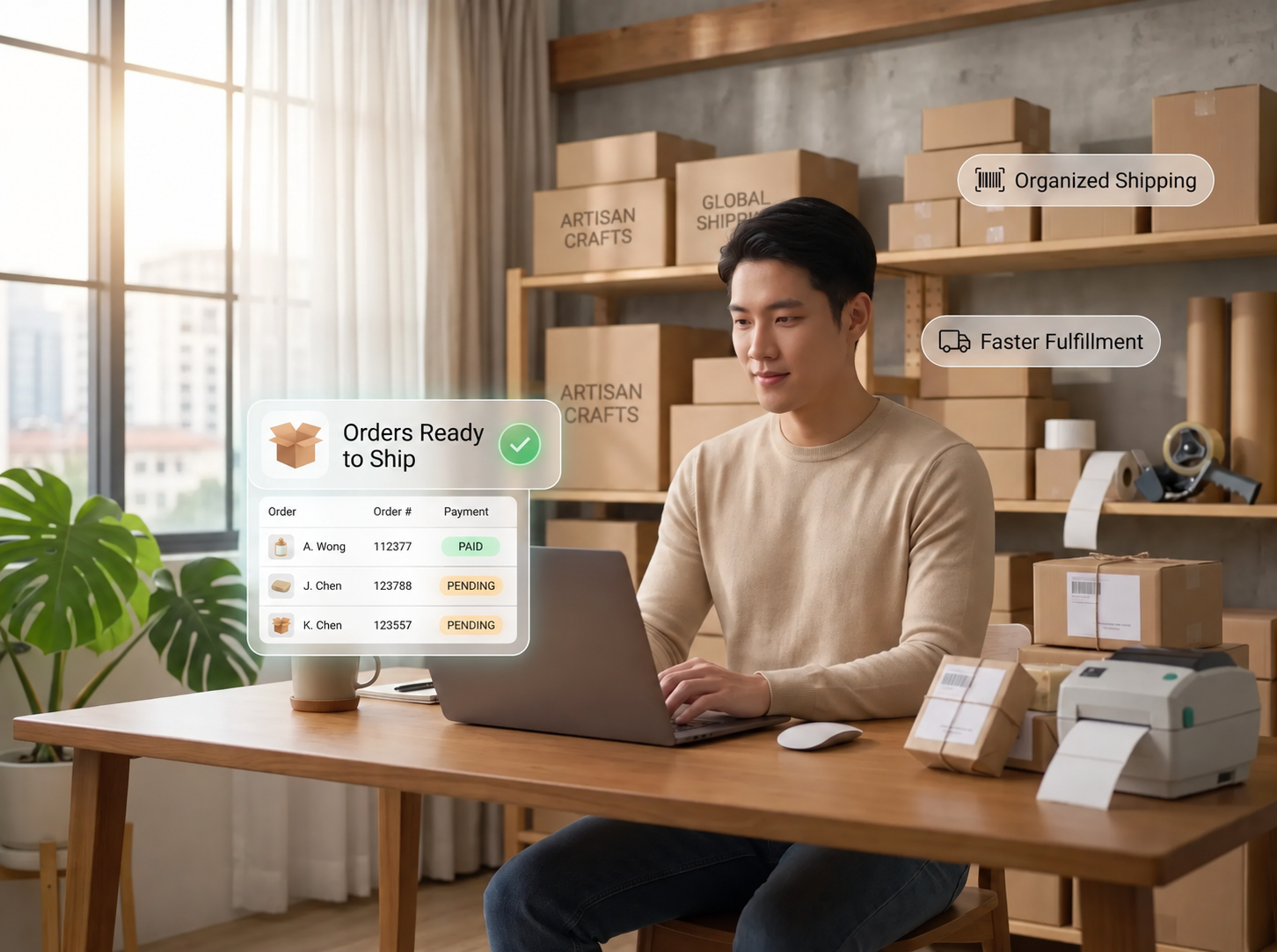
With EasyStore, orders from your social channels, marketplaces, and online store can be managed from one dashboard. You can create or edit orders when needed, check payment and fulfilment status, and generate shipping labels and Air Waybills (AWBs) in a single click.
You can also manage returns and refunds, send tracking updates to customers, and identify abandoned checkouts so you can follow up with customers who didn't complete their purchase.
With your orders organized in one system, it's easier to see what needs to be done next and keep your fulfillment process moving—even as your order volume increases.
Payment Confirmation Can Add Another Step
Once you have organised your orders and are ready to fulfill them, there's still one important step: making sure the order has been paid.
For example, a customer may place an order and send a payment through bank transfer. Before you start packing, someone needs to check the payment and confirm that the amount has been received.
When you're handling only a few orders, this may not take much time. But when dozens of orders come in, checking payment records one by one can add another task to your daily workflow.
You may need to switch between your order list and payment records just to confirm which orders are ready to fulfill. The longer it takes to confirm payments, the longer it can take to move those orders to packing and shipping.
An Easy Way To Manage It
A better approach is to use payment methods that can automatically confirm successful payments and update the order status. This gives you a clearer view of which orders have been paid and are ready for fulfilment.
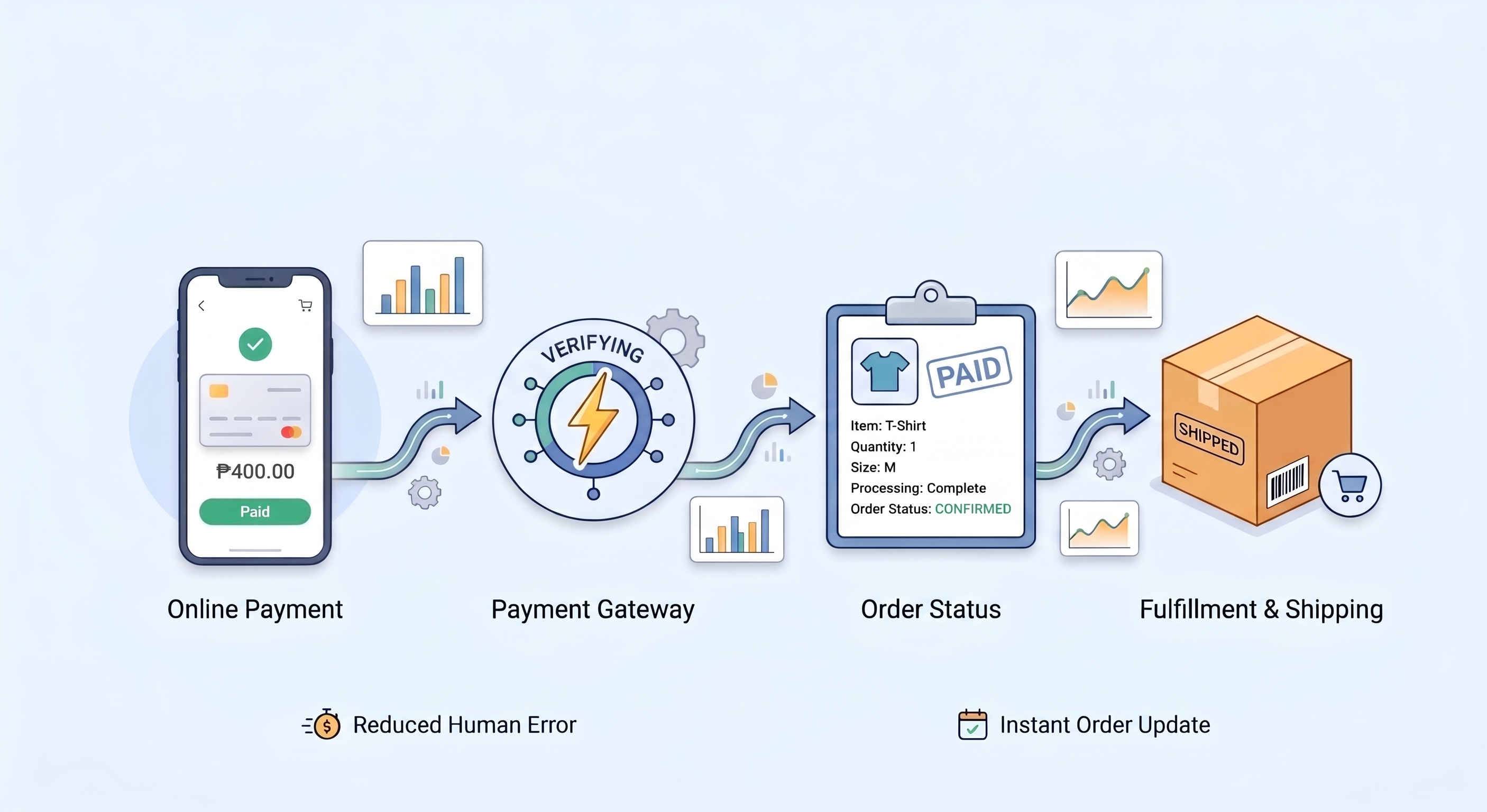
With EasyStore, orders can automatically be marked as “Paid” when customers successfully complete payment through supported payment methods such as Maya, GCash, or QRPH.
Your team can then quickly identify paid orders and move them to the next step—packing and shipping—without having to manually verify every successful online payment.
Grow Your Business Without Growing the Manual Work
More products and more orders are good signs that your sales are growing.
But growth can also make your daily operations more complicated if everything continues to be managed manually.
The goal is not simply to sell on more channels or process more orders.
It is to have a system that helps you manage the growing workload behind those sales.
With EasyStore, you can bring your products, inventory, orders, payments, and fulfilment together in one place while connecting your business to the sales channels where your customers already shop.
That means less time spent switching between platforms and handling repetitive tasks—and more time to focus on selling, serving your customers, and and taking your business further.
Ready to make product and order management easier? Try EasyStore today.