Marketplace fees only go up. How are Malaysian brands responding?
By Erica Loh · 5th October, 2026
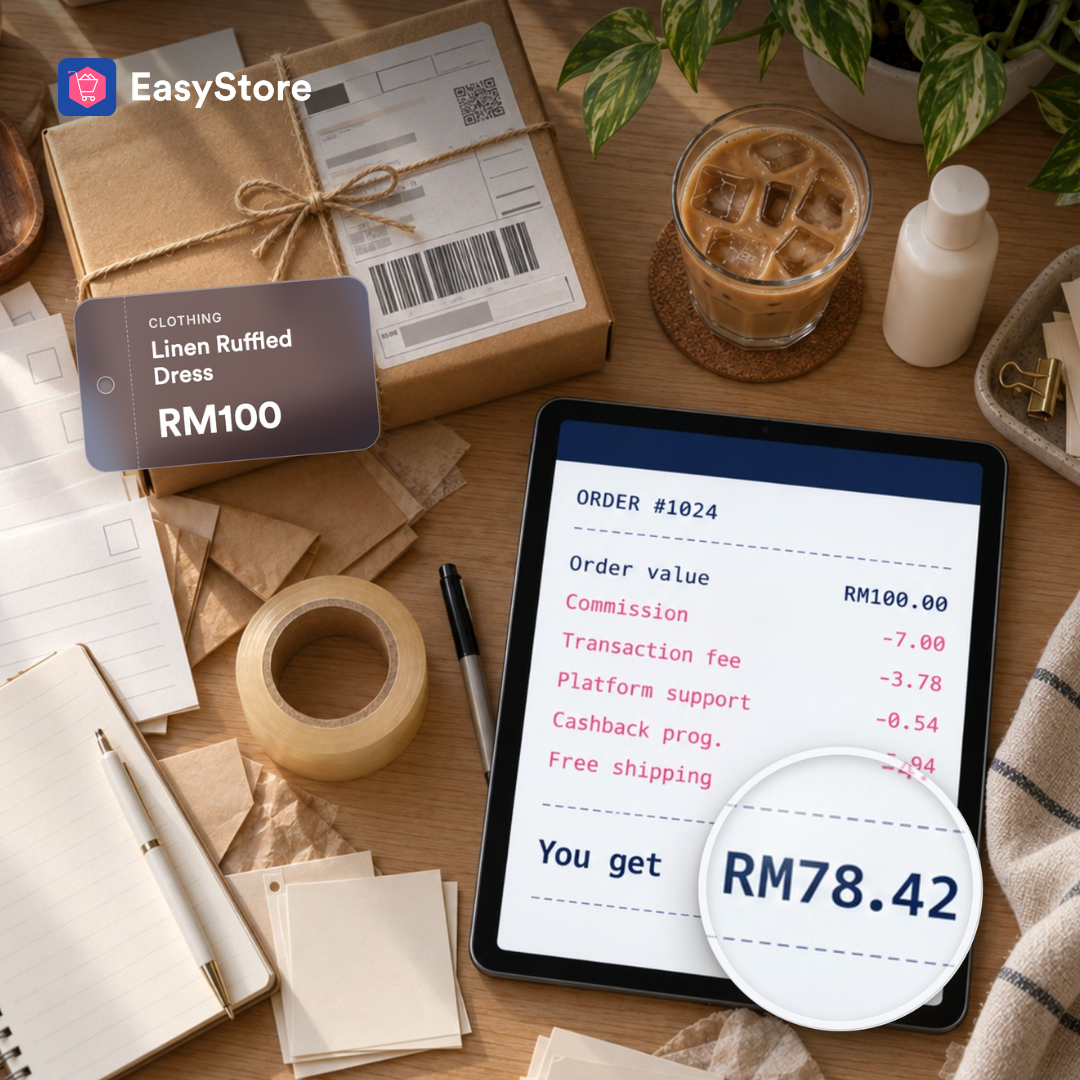
Table of Contents
Marketplace fees only go up. How are Malaysian brands responding?
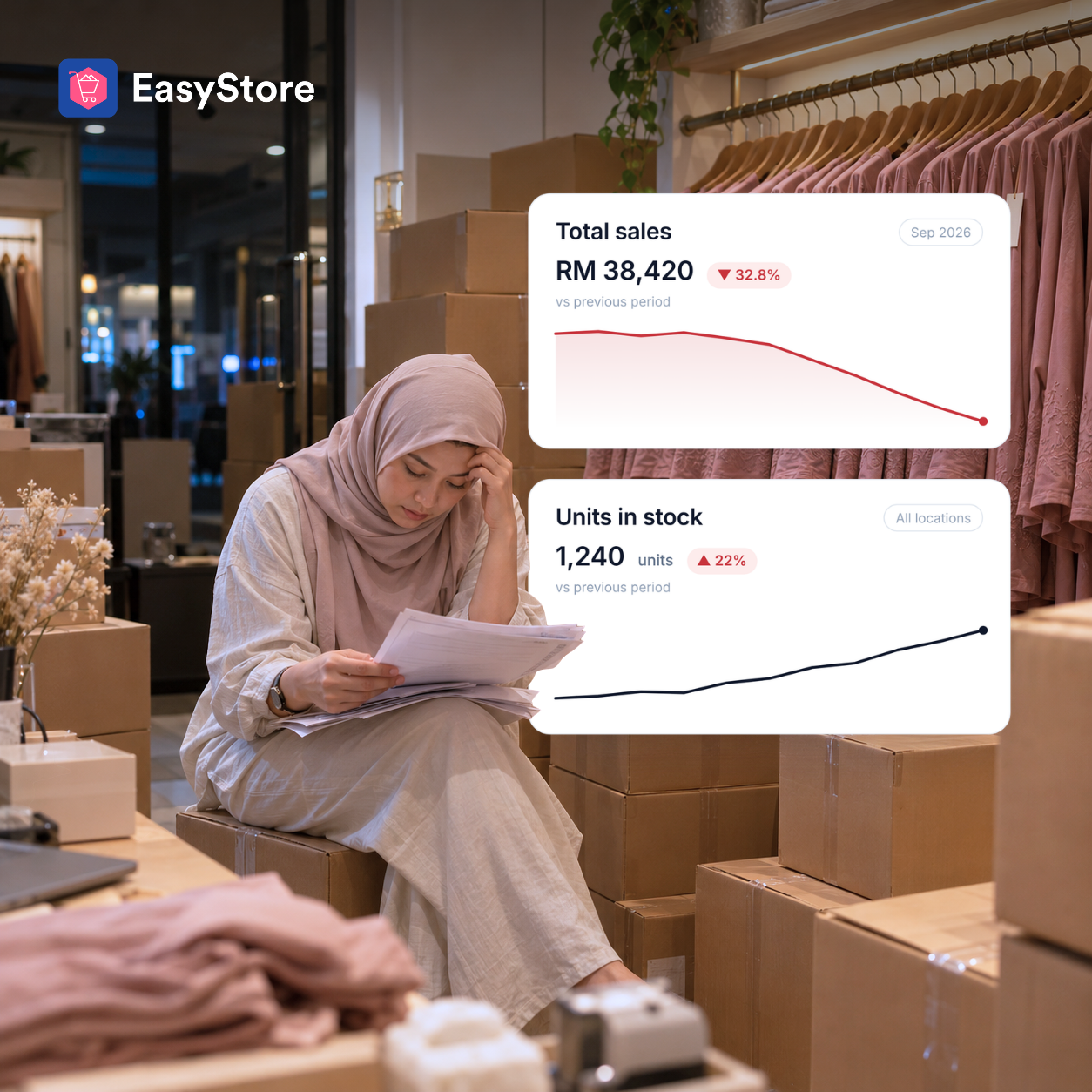
If you sell on Shopee, Lazada or TikTok Shop, you've probably done the maths at least once this year and not liked the answer. Commission, transaction and service fees have been creeping up, and every campaign seems to come with another fee attached.
Recently at Retail Summit Asia 2026, Vistage Chair Wong Kah Cane put it bluntly: he doesn't know of a single marketplace that has ever announced it's bringing its rates down.
No one disagreed. But no one is walking away from marketplaces either. If we learnt anything from the summit, it’s to use marketplaces for discovery, and cultivate customer relationships through a DTC (direct-to-consumer) approach.
Why fees are only part of the problem
Cikgu Anna Aziz has spent close to a decade helping sellers grow on e-commerce platforms, some of them from zero to millions in monthly sales.
As a TikTok-certified trainer and a former Lazada ambassador, her approach to platforms is refreshingly unsentimental:
 She'll go wherever the opportunity is. But she was just as clear that rising fees is a serious concern businesses are juggling. What’s more important today isn't just sales number, but if the sales are actually profitable.
A marketplace order can be a good sale and a thin one at the same time, once commission, vouchers you co-fund, shipping subsidies and ads are taken out.
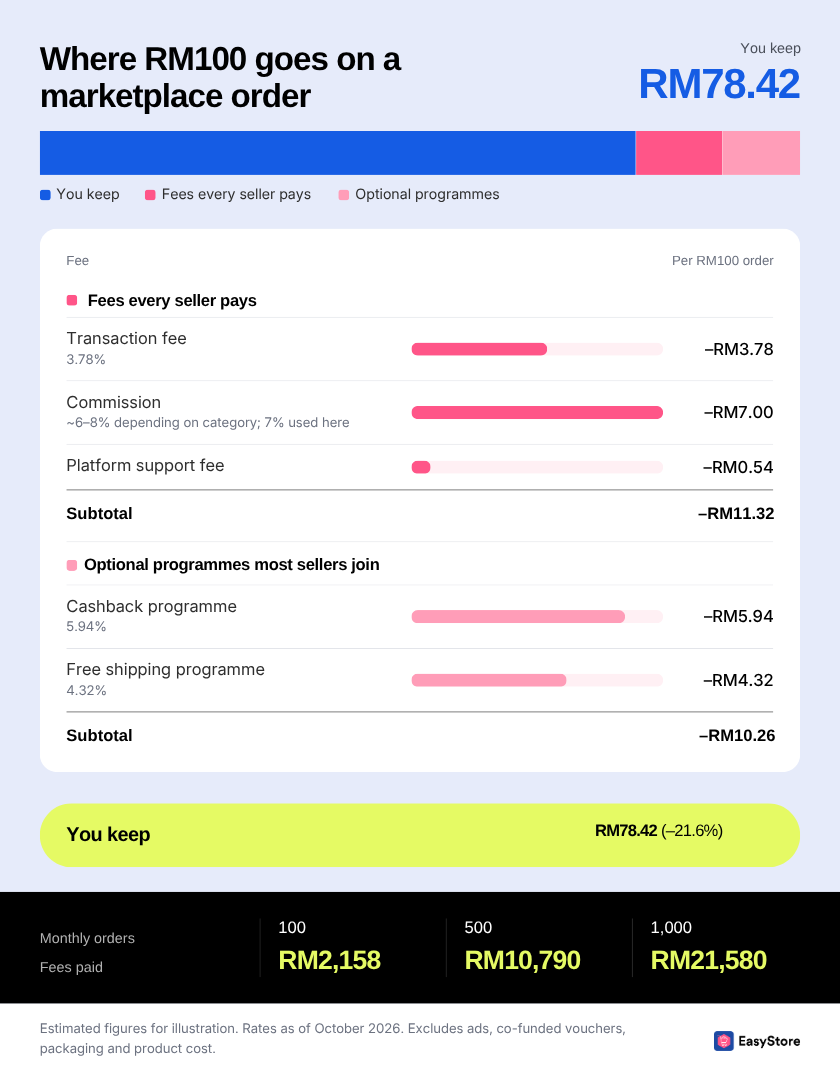
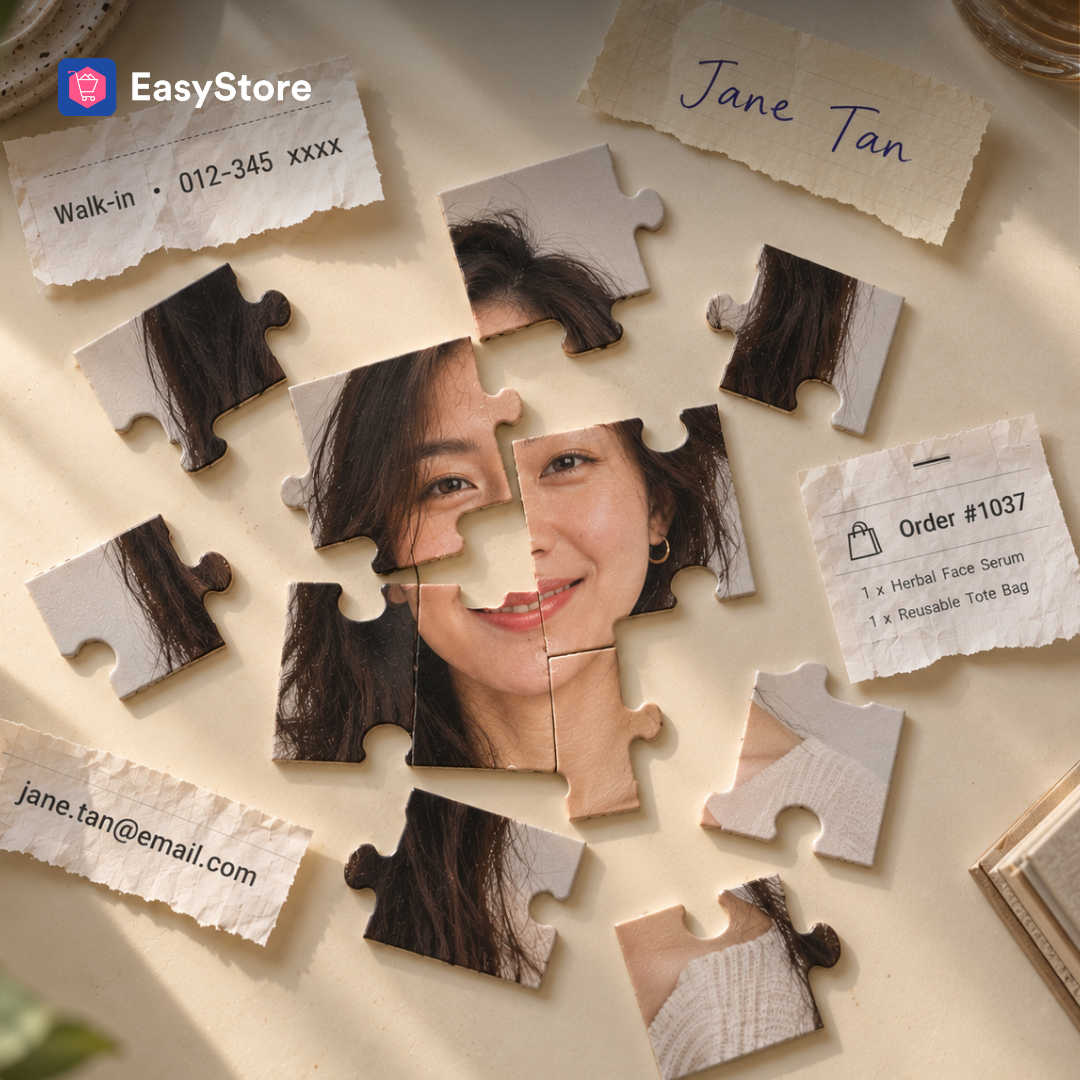
If you sell 500 orders a month, that's more than RM10,000 in fees, every month. Meanwhile, platforms are silently collecting your customers’ name, number, email — while they remain unknown to you.
Being stuck in a price war you didn’t ask for
Tara Tan, XIXILI Chief Marketing Officer has a story every brand owner would relate to.
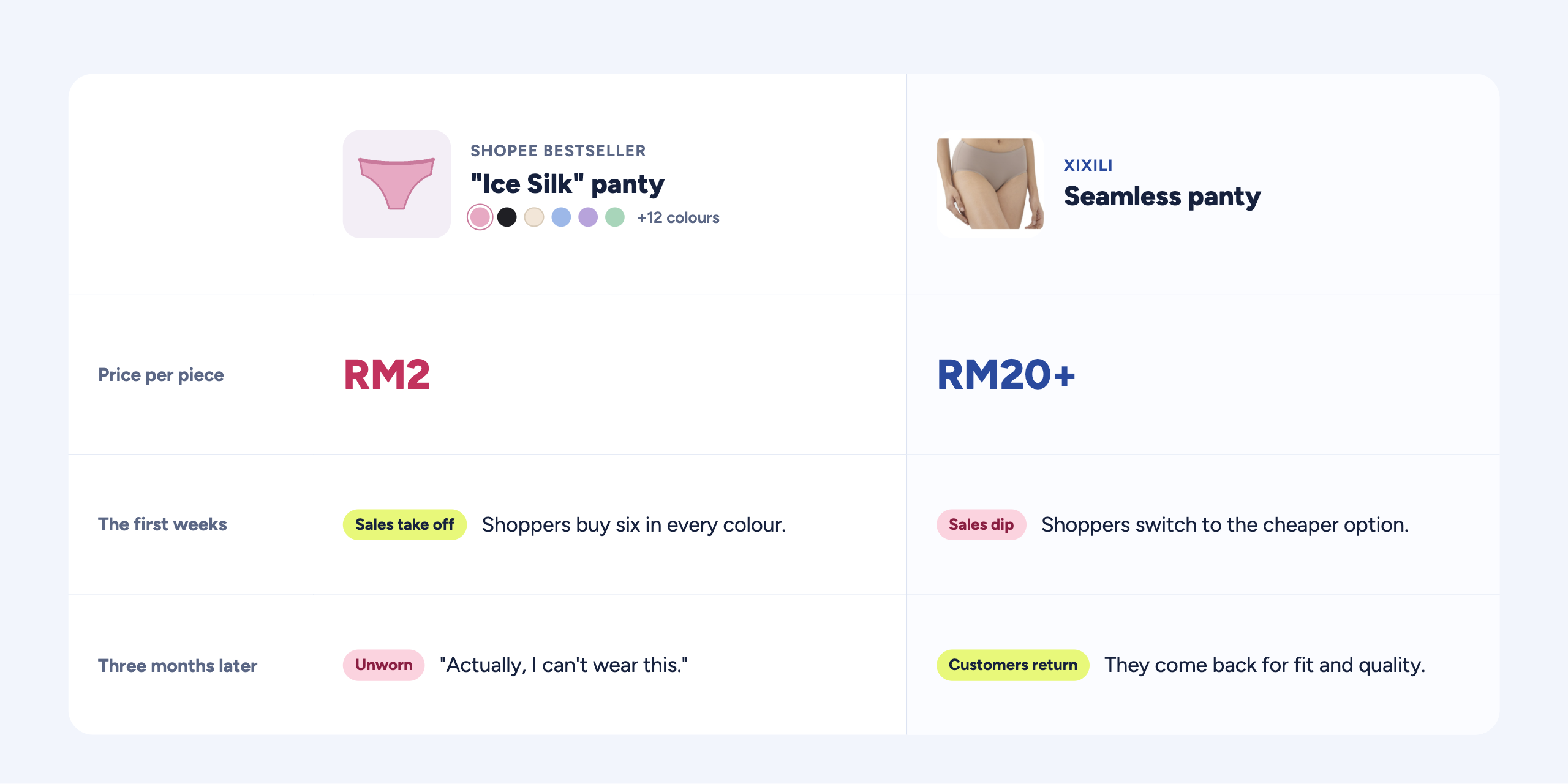
When a RM2 "Ice Silk" panty took off on Shopee, XIXILI's sales dipped. Customers could buy six of those for the price of one of theirs. Within about three months, many of those same customers realised they couldn't actually wear what they'd bought, and came back.
The lesson she took from it:

XIXILI survived because its value was never meant to be the lowest price.
But not every brand can wait three months. The safer move is not to be judged on price alone in the first place.
That means having a place where customers see your quality, your story and your reviews, not just your price tag.
No real way to connect with customers
This tends to hurt most in the long run.
Sarini Zainal, founder of skincare brand The Pastels Shop, built a large part of her business through marketplace livestreaming over five or six years.

She had order volumes and delivery addresses printed on airway bills, but no real customer data she could use to follow up, understand buying patterns or build a relationship.
As she put it, marketplaces bring you customers who give you sales. What a brand needs long-term are customers who stay, who keep coming back even as competitors launch new products every month.
Hence this year, The Pastels Shop's focus has shifted to selling direct.
What "owning your channel" actually means
Andrew Anderson, founder of digital consultancy AMBTY, has advised brands from Microsoft and Porsche to Malaysian SMEs. Asked to pick just one channel for a business to focus on, he picked the website without hesitating:

Andrew's analogy: A marketplace is a busy mall where you rent a spot. The traffic is great, but the landlord sets the rules, the rent and the layout, and your neighbour selling something similar for less is right next door. Your own store is the house. Fewer people walk past it by chance, but everything inside belongs to you.
In practical terms, here's what you own on your website that you don't on a marketplace:
How to move customers without abandoning marketplaces
None of this means deleting your Shopee store tomorrow. For most brands, marketplaces will stay an important source of new customers. The goal is to turn some of those first-time marketplace buyers into customers you can reach directly.
What to keep on marketplaces
Interestingly, the same founders who warned about marketplace dependency were also the ones defending marketplaces.
The Pastels Shop founder credits marketplaces with giving a young brand like hers a chance to appear right alongside the biggest names. Someone searching for Nivea could come across The Pastels Shop in the same results.
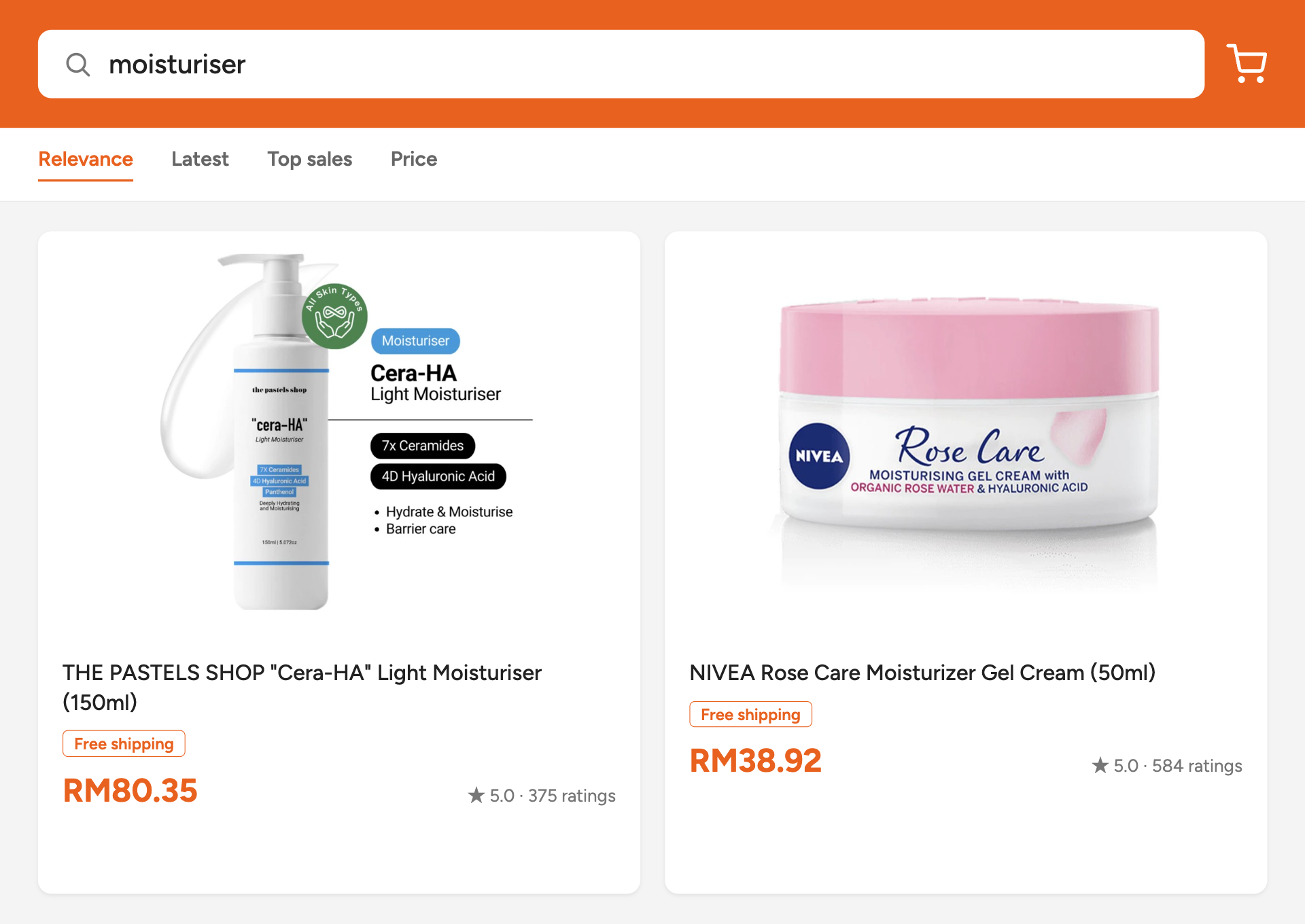
For discovery, it's hard to beat.
Tara made a similar point from XIXILI's side. Marketplaces and social media are where people who've never heard of you find you, especially for brands that can't simply put up a billboard.
So the split most brands are landing on looks something like this:
| Use marketplaces for | Use your own store for |
|---|---|
| Discovery & first purchase | Repeat purchases |
| Reaching new shoppers | Knowing who your customers are |
| Big campaign days | Member exclusive rewards |
| Price-driven shoppers | Customers who value your brand |
Start building your own channel
You don't have to choose between marketplaces and your own store. With EasyStore, you can: