Build Customer Loyalty and Double Your Sales
By EasyStore Philippines · 10th August, 2026
Table of Contents
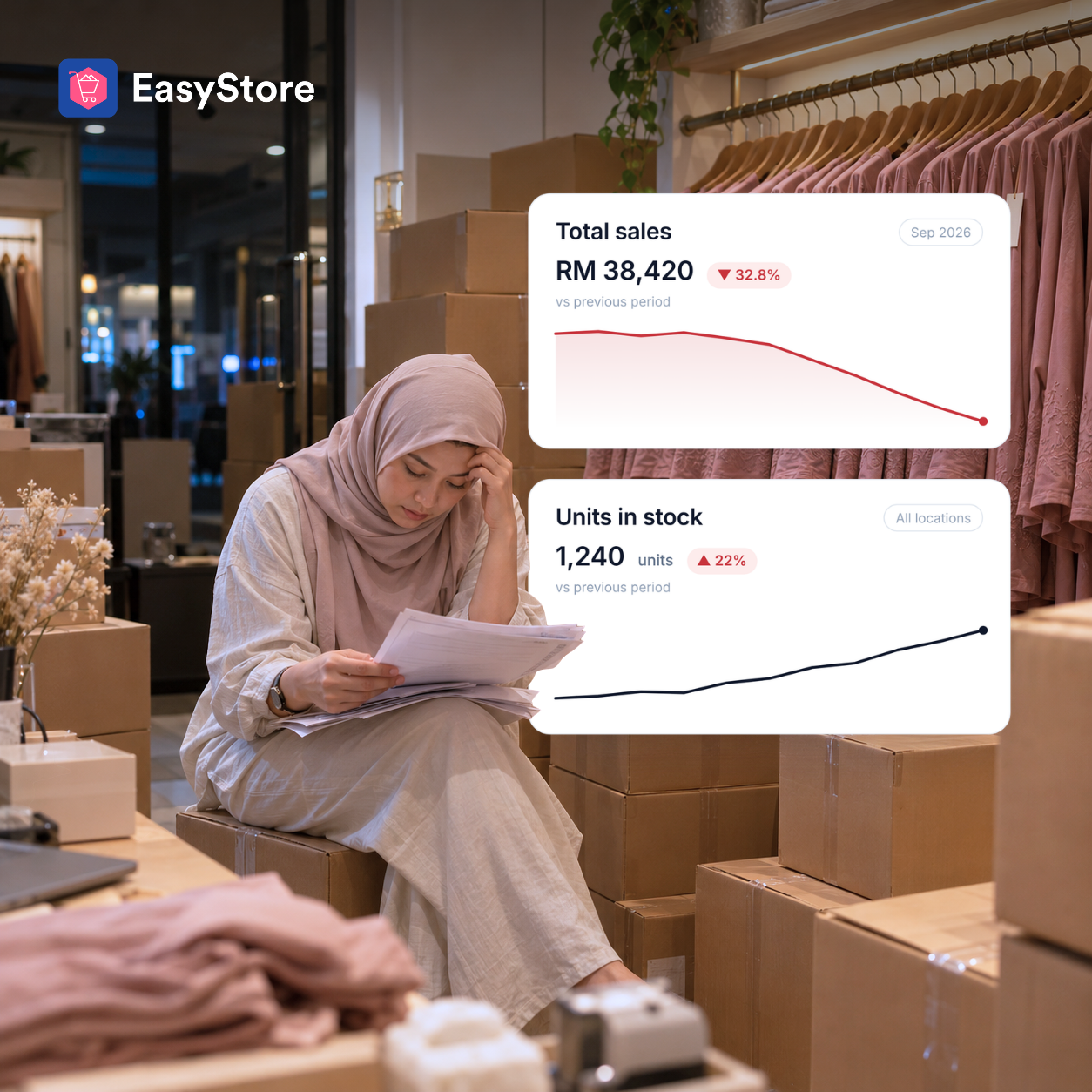
Getting new customers is important for every growing business. But if you are constantly spending more time and money acquiring new customers while existing customers disappear after their first purchase, growth can become an expensive cycle.
According to Harvard Business Review, acquiring a new customer can cost five times more than retaining an existing customer, depending on the industry.
Your existing customers have already discovered your brand, purchased from you and experienced what you offer. The opportunity is to give them a reason to come back.
For Philippine online sellers, this is especially important. Customers can easily compare products, prices and sellers across Shopee, Facebook, TikTok, Instagram and other channels. Winning the first sale is only part of the job — getting that customer to choose you again is where long-term value is built.
Here's how to build customer loyalty and turn one-time buyers into long-term customers.
What Is Customer Loyalty?
Customer loyalty is more than simply getting customers to purchase repeatedly.
A loyal customer has developed trust and a preference for your brand. When they need something you sell, your business is one of the brands they think of first.
This can lead to:
- More repeat purchases
- Higher customer lifetime value
- Stronger brand preference
- More word-of-mouth recommendations
- Less dependence on constantly finding new customers
The key is to give customers a reason to choose you again — not simply a reason to use your discount code.
1. Start With a Product and Experience Customers Can Trust
The foundation of loyalty is simple: customers need to be happy with what they receive.
No loyalty programme can compensate for poor product quality, unreliable delivery or frustrating customer service.
For online sellers, get the basics right:
- Accurate product information and photos
- Clear pricing, shipping and return policies
- Easy ordering and payment
- Reliable delivery updates
- Fast customer support
- Helpful after-sales service
Then look for small opportunities to go further.
For example, a skincare seller could send product-use tips after purchase, while a fashion seller could recommend items that match a customer's previous order.
A good experience builds confidence to purchase again.
2. Don't Let the Relationship End After the First Purchase
Getting the first sale shouldn't be the end of your marketing.
After a purchase, think about what would make that customer come back.
You could:
- Recommend related products
- Introduce new arrivals
- Send replenishment reminders
- Share useful product tips
- Offer early access
- Reward repeat purchases
For example, if a customer usually repurchases skincare every two to three months, a timely reminder can be more effective than another generic sale message.
The goal isn't more messages. It's more relevant messages.
3. Create a Better Customer Experience
Customer loyalty is influenced by the entire customer experience — from discovering your brand to what happens after delivery.
Think about these touchpoints:
Discovery — How do customers find you?
Shopping — Can they easily understand and compare your products?
Checkout — Is it easy to order and pay?
Delivery — Are shipping costs and delivery expectations clear?
Customer Service — Can they get help quickly?
After-sales — What happens after they receive their order?
Every touchpoint can affect whether customers decide to buy from you again.
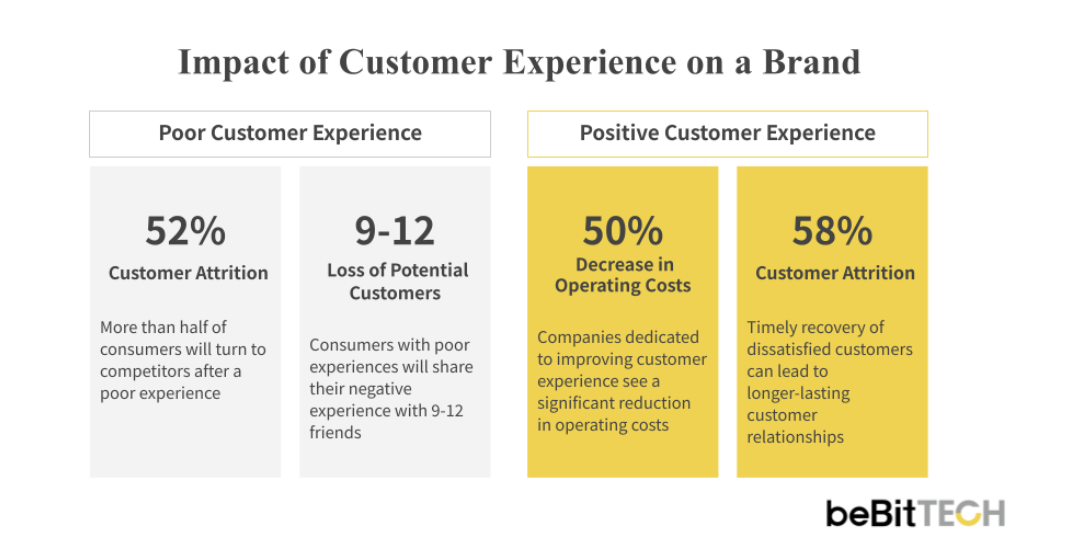
A smooth experience builds confidence. A frustrating one gives customers a reason to look elsewhere.
 Source: 5 Steps to Enhance Customer Experience and Boost Lifetime Value
4. Turn Your Customers Into Members
A membership programme can give customers another reason to stay connected with your brand.
But simply calling customers “members” isn't enough.
Ask yourself:
“What do customers actually get by becoming a member?”
Depending on your business, membership benefits could include:
- Member-only discounts
- Points or rewards
- Birthday offers
- Exclusive products
- Early access to new launches
- Personalised recommendations
- Referral rewards
The exact reward depends on your business and margins. The important thing is to reward behaviours that help build a longer customer relationship.
Keep It Simple
A good membership programme doesn't need to be complicated:
Make joining easy — Don't create unnecessary steps.
Offer a clear benefit — Customers should immediately understand why they should join.
Reward meaningful behaviour — Reward repeat purchases, referrals or higher spending, not just sign-ups.
Keep members engaged — Share useful updates, new products, rewards and exclusive offers instead of contacting members only when you want to sell something.
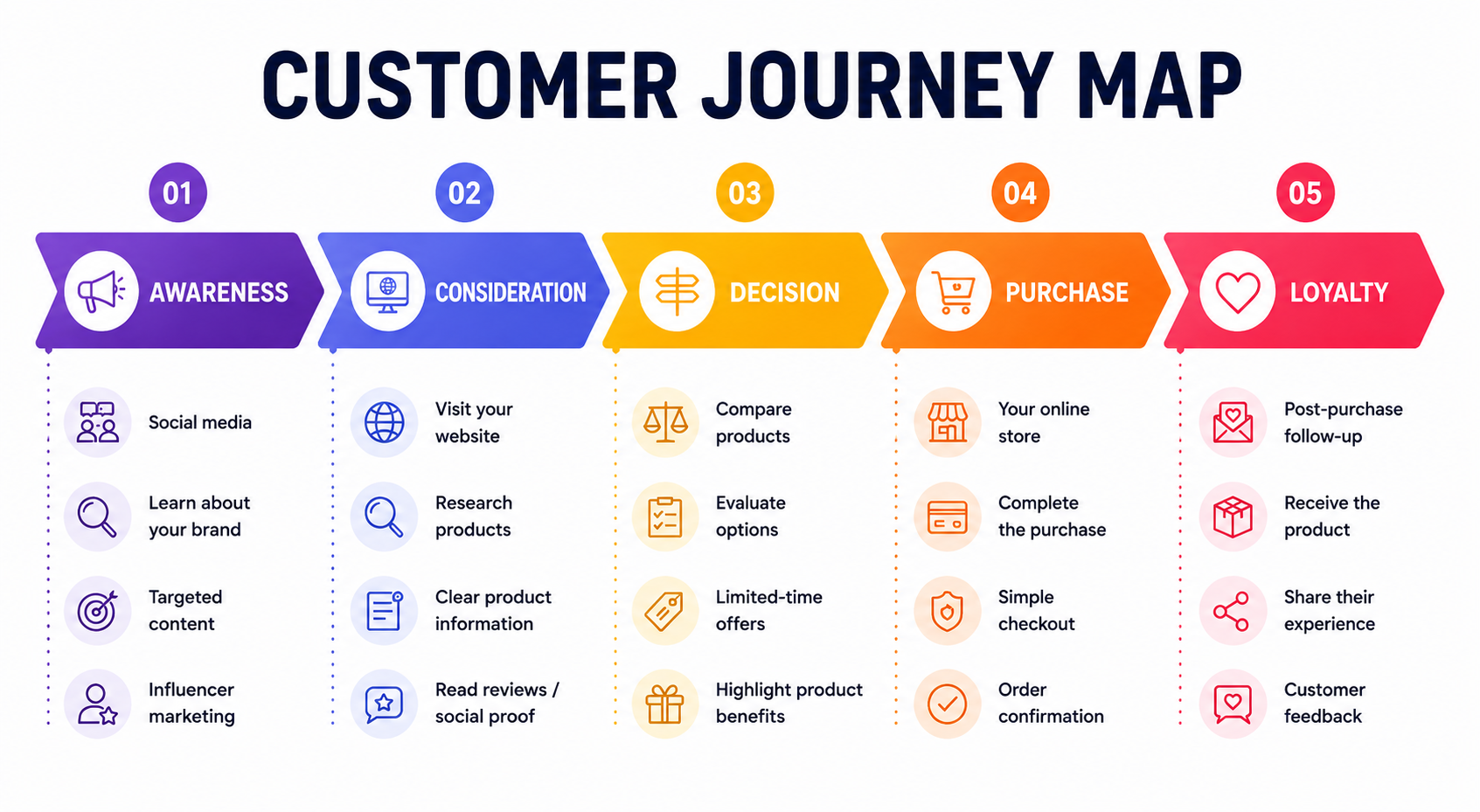
Use a Customer Journey Map to understand how customers join your membership programme and interact with your brand, so you can identify opportunities to improve their experience.
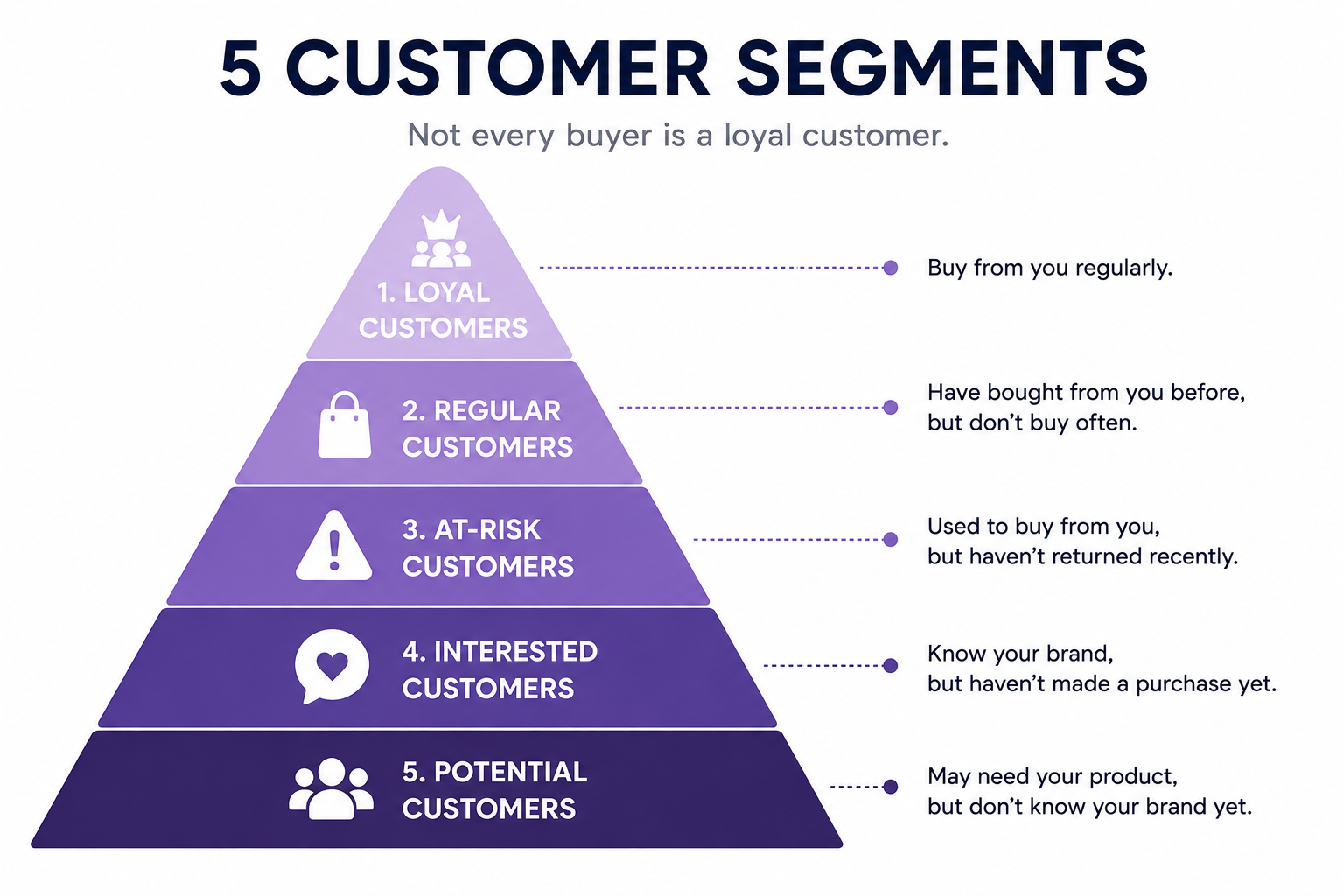
5. Don't Treat Every Customer the Same
A customer who just made their first purchase shouldn't receive the same message as someone who has bought from you ten times.
Segment customers based on their behaviour and give each group a different reason to come back.
New Customers
Goal: Get the second purchase.
Recommend related products, send useful post-purchase content or offer a welcome reward.
Repeat Customers
Goal: Increase purchase frequency.
Try product bundles, complementary products, new arrivals or replenishment reminders.
Loyal Customers
Goal: Strengthen the relationship.
Give them VIP rewards, early access, exclusive products or personalised offers.
At-Risk Customers
Goal: Bring them back.
These customers used to buy from you but haven't returned recently. Use their previous purchases to create a relevant re-engagement message.
For example:
“Running low on your favourite skincare? It's time for a refill.”
The more relevant the message, the more likely customers are to pay attention.
6. Use RFM to Know Who to Focus On
If you have customer purchase data, RFM analysis can help you identify which customers need your attention.
RFM looks at:
Recency — How recently did they buy?
Frequency — How often do they buy?
Monetary — How much do they spend?
This can help you decide what to do next:
| Customer behaviour | Possible action |
| Buys frequently and spends more | VIP rewards |
| Recently made first purchase | Encourage the second purchase |
| Buys regularly | Cross-sell or bundles |
| Used to buy but is now inactive | Re-engagement campaign |
Instead of sending the same promotion to everyone, use customer behaviour to decide who should receive what.
7. Turn Loyal Customers Into Advocates
Your best customers can help you find your next customers.
Encourage them to recommend your business through:
- Referral rewards
- Member-get-member campaigns
- Review incentives
- User-generated content
- Exclusive referral offers
For example:
Refer a friend and you both get a reward.
This creates a simple growth cycle:
Great experience → Repeat purchase → Loyalty → Recommendation → New customer
Your existing customers can therefore help drive both retention and acquisition.
Build Stronger Customer Relationships With EasyStore
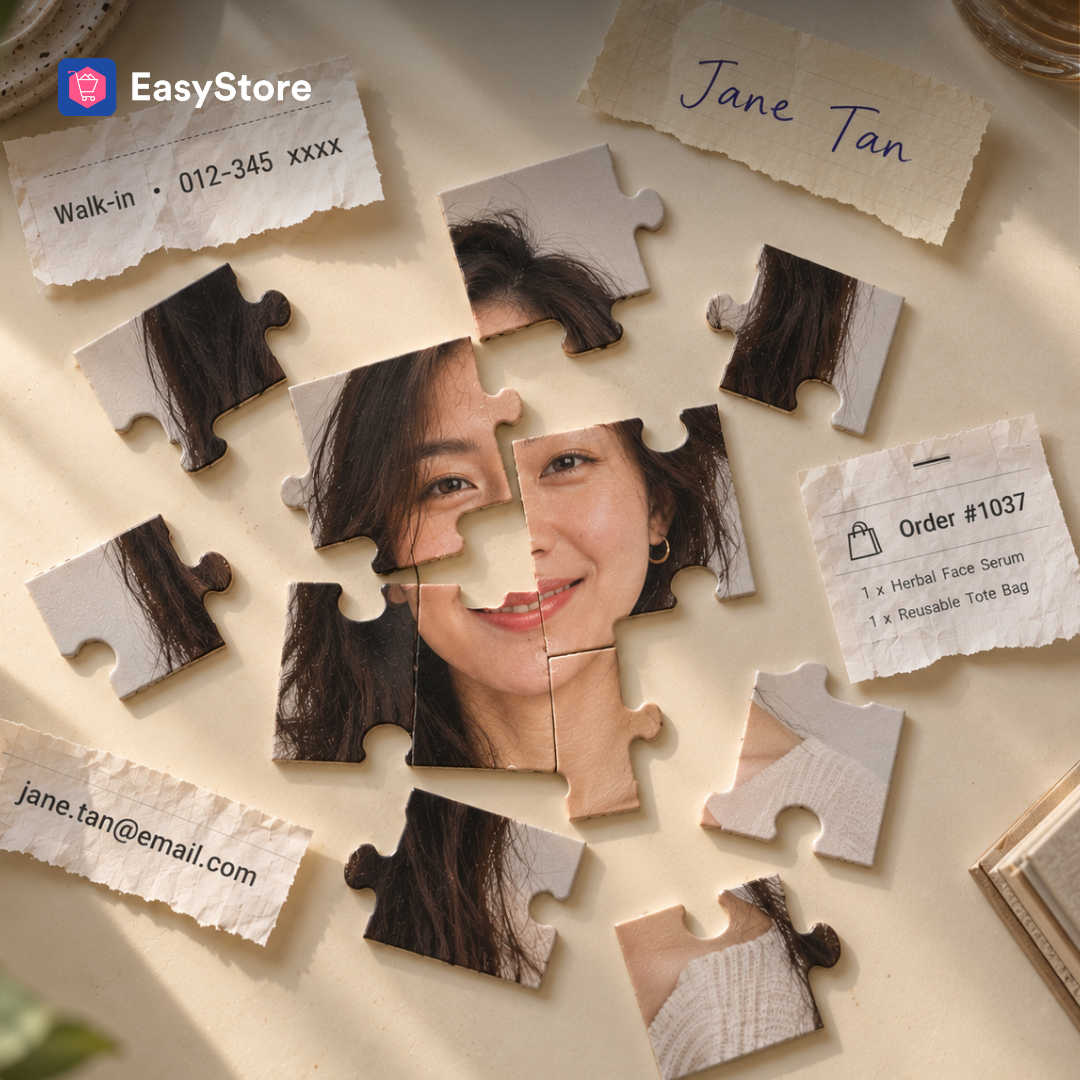
As your business grows, customers may come from your online store, social media, marketplaces and physical stores. Managing these customers across different channels can make it difficult to see the full picture of their buying behaviour.
EasyStore helps businesses manage their sales channels and customer information in one place, making it easier to understand customer behaviour and engage different customer groups.
With customer segmentation, membership and loyalty features, you can reward your best customers, encourage repeat purchases and re-engage those who haven't returned.
Instead of treating every customer the same, build relationships based on how they actually interact with your business.
Your next sale may not need to come from a new customer. It may already be in your customer database.
Build your online store, manage your customers and create a better shopping experience with EasyStore.